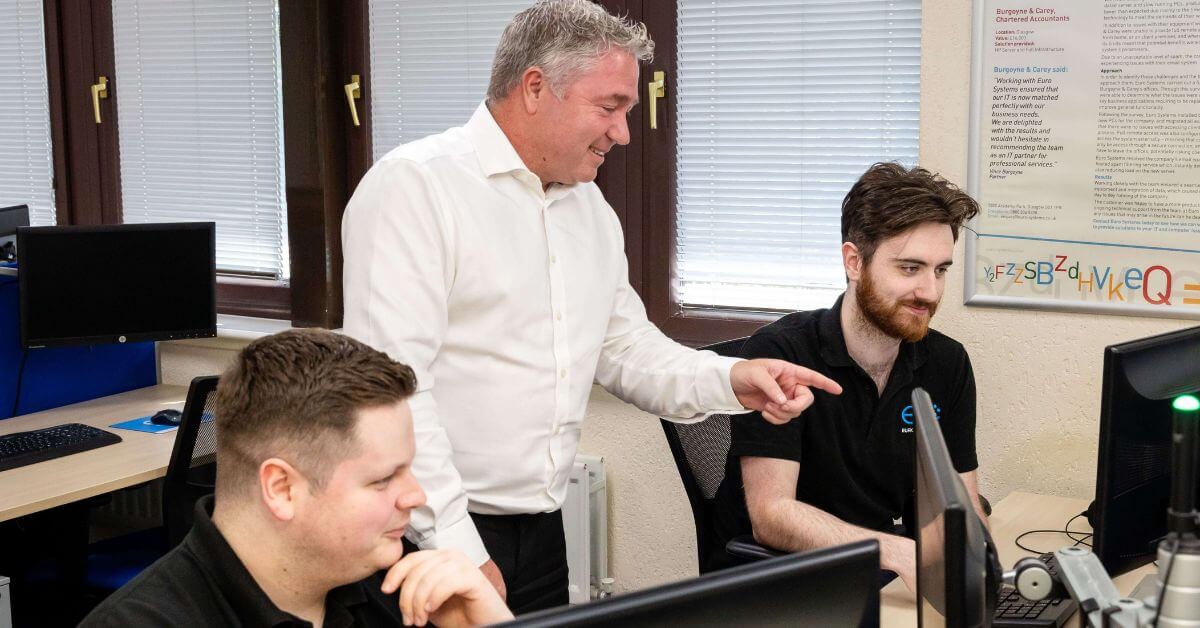
For any modern business, IT systems are at the core of how the business operates. Whether it’s communication, sales platforms, or internal software, even a small technical issue can quickly disrupt business operations.
When IT support is slow, the impact is immediate. A slow response doesn’t just delay a fix, it creates downtime, reduces productivity, and affects the entire business. A slow response time can ripple across teams and operations, leading to lost productivity and revenue.
The cost of downtime includes not only the wages of the waiting employee but also potential revenue loss and reduced customer satisfaction. Every minute spent waiting on support is a minute where employees are unable to work efficiently, and in many cases, unable to work at all. Quicker resolution times can significantly improve a business’s productivity by minimising downtime and keeping operations running smoothly.
Customers expect fast service. Teams expect reliable systems. And businesses expect their IT provider to respond quickly and resolve issues in a timely manner. The gap between expectation and reality is where many service providers fall short. For a small business, a slow response time is not just an annoyance, it is a major financial drain.
One of the most misunderstood areas of IT support is the difference between response time and resolution time.
Response time is simply how quickly a support provider acknowledges an issue. Resolution time, on the other hand, is how long it takes to fully fix the problem. Resolution time is the total time it takes from when you first report the problem to when the problem is fully solved, and your employee is working again.
In traditional ticket-based systems, a request is logged, placed in a queue, and assigned based on priority. Even with a fast response, the user may still wait hours before meaningful progress is made.
A strong IT partner understands that response alone is not enough. What matters is how quickly action begins. The faster your IT provider can respond and resolve the issue, the sooner employees can get back to their responsibilities.
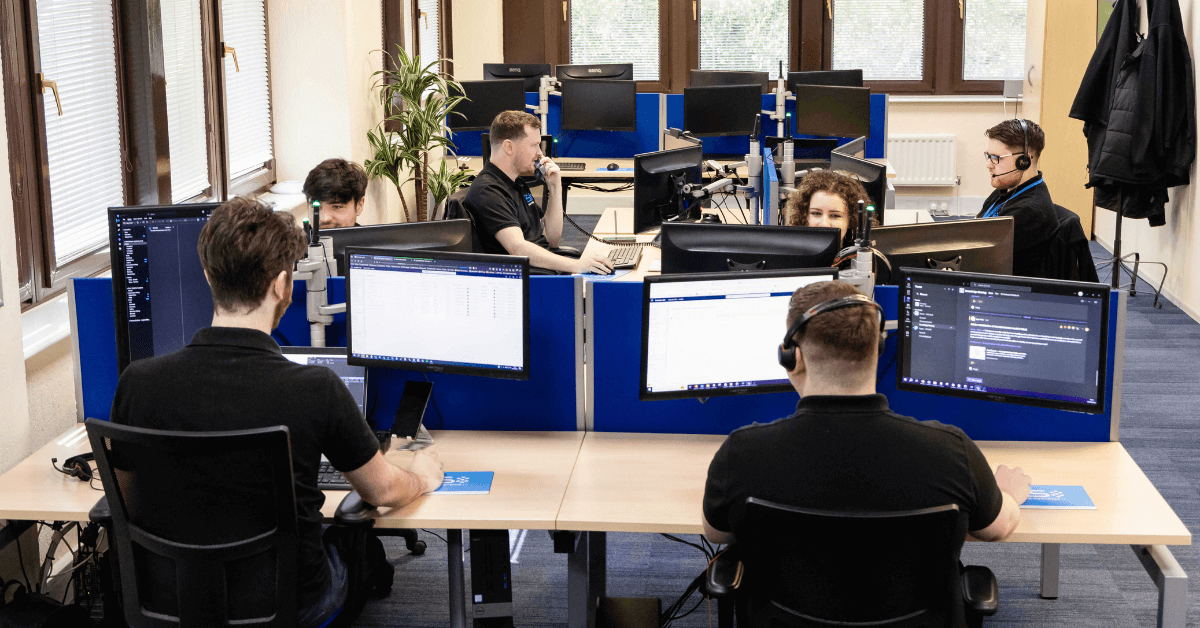
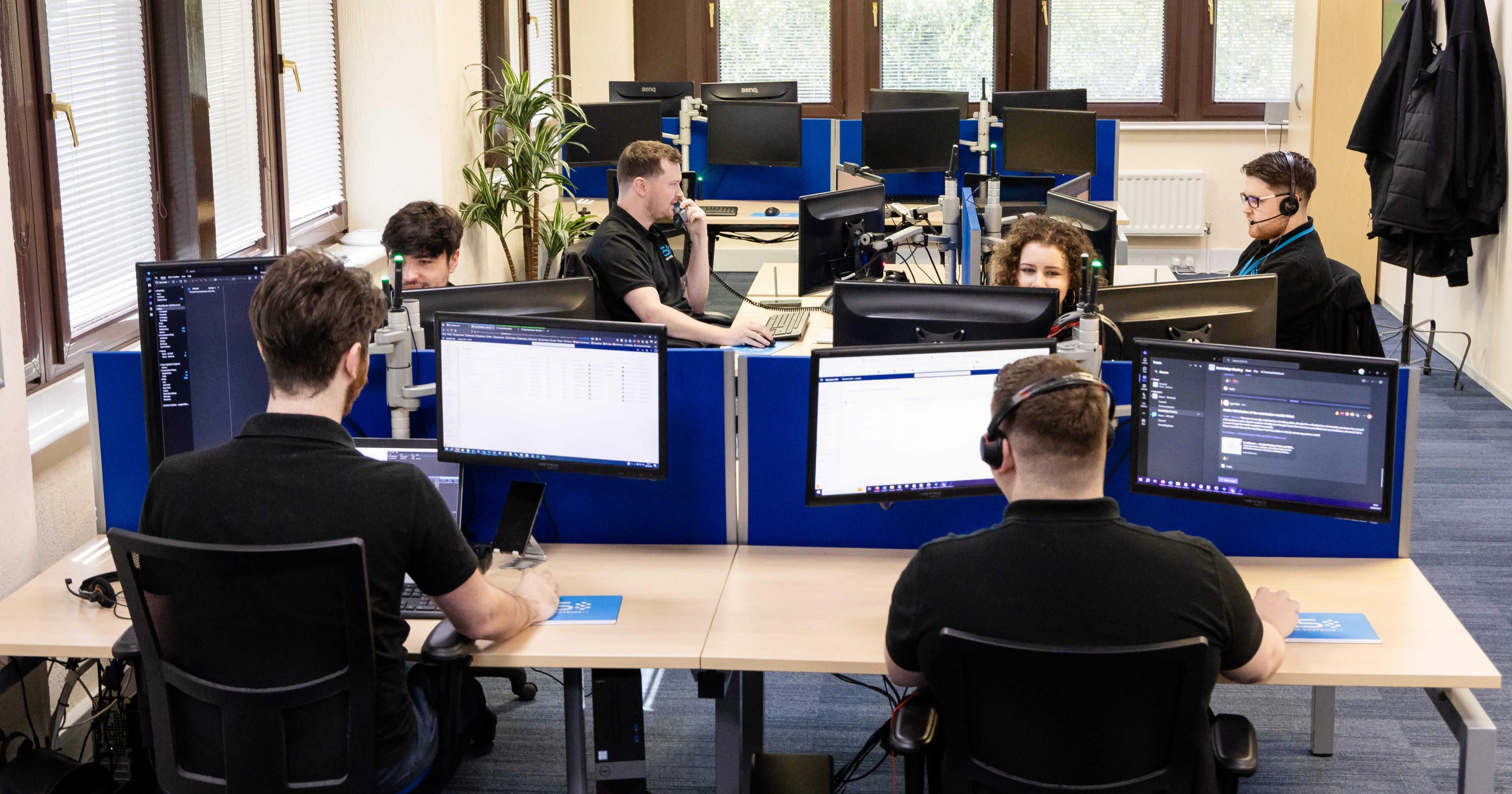
At Euro Systems IT, there is no separation between response and action. When a client makes an initial call, they speak directly to a helpdesk engineer within seconds. That means the issue is being worked on immediately, not just acknowledged.
Not all IT issues are equal, and a good support provider will structure their service around clearly defined priority levels.
It’s essential that your provider understands the varying severity of technical issues and responds appropriately based on a system of priority levels.
In simple terms, prioritisation should be based on how much the issue affects the business. If a problem stops the entire business from operating, it requires immediate attention and a fast response. If it impacts a team or slows down productivity, it should still be handled quickly to prevent escalation. Minor issues, while less urgent, should still be resolved in a timely manner with clear expectations.
The key is ensuring that critical issues are never delayed by lower-priority requests. A provider that aligns response time and resolution time with real business impact will deliver a far more effective and reliable support experience.
Proactive monitoring is a game-changer for businesses that want to avoid the pitfalls of slow IT response and lost productivity. By continuously keeping an eye on your IT systems, a support provider can spot potential problems before they have a chance to affect the entire business. This means issues are often resolved in a timely manner, sometimes before users even notice there’s a problem.
A proactive approach to IT support doesn’t just fix problems as they arise, it actively works to prevent them. This reduces downtime, maintains productivity, and ensures that your business operates smoothly day in and day out. For small businesses, the impact is even greater, as every minute of lost productivity can have a noticeable effect on progress and revenue.
Proactive monitoring also enhances the overall quality of service. When your IT provider is able to resolve issues before they escalate, your team experiences fewer disruptions and a better customer experience. This approach helps maintain the reliability of your IT systems, so your business can focus on growth rather than firefighting technical issues.
Ultimately, investing in proactive monitoring means your support provider is always working behind the scenes to keep your business running efficiently. It’s a smart way to avoid the costs and headaches associated with slow IT response and to ensure your technology is always an asset, not a liability.
Across the industry, most IT support providers follow similar benchmarks. Critical issues are typically acknowledged within 15 to 60 minutes, high-priority issues within an hour, and minor issues within a few hours or by the next business day. These targets are usually defined within a service level agreement, which outlines expected response and resolution times based on priority levels.
On paper, these service levels appear reasonable. However, they are often built around ticketing systems where response simply means acknowledgement, not action.
In reality, a 15-minute response time often just means the issue has been logged, not that it’s being actively worked on. This is where many businesses experience delays, slow response times, and unnecessary downtime.
At Euro Systems IT, we take a different approach. Instead of ticket queues, clients speak directly to an engineer in seconds, meaning the response leads to immediate action. This significantly reduces lost productivity and ensures issues are resolved faster, not just acknowledged faster.
Because ultimately, a fast response time should mean one thing, your problem is already being fixed.
Slow response times have a measurable impact on a business, and the effects go far beyond IT.
The most immediate consequence is lost productivity. When employees cannot access systems or are dealing with slow performance, their ability to work is reduced. Every minute an employee is unproductive due to IT issues is a minute the company is paying for work that is not getting done. Across a team, even a short delay can quickly add up to hours of lost output.
Downtime is another major factor. The longer it takes to respond and resolve an issue, the longer systems remain unavailable. When systems are down, the business impact stacks up fast, often leading to significant financial losses. This directly affects revenue, especially for businesses that rely on technology for sales or customer interaction.
There is also a knock-on effect on customer experience. If systems are down or slow, customers may experience delays, errors, or poor service. Over time, this can damage trust and reputation. In many cases, slow support also leads users to attempt their own fixes. This can introduce further technical issues or even security risks, making the original problem worse.
Ultimately, slow IT support affects not just systems but the overall performance and efficiency of the business.
A service level agreement should provide clarity, not confusion. It should clearly define what a business can expect from its IT provider, including both response time and resolution time.
A strong SLA will outline how quickly issues are acknowledged, how quickly work begins, and how long resolution should take, depending on the priority level. It should also define what counts as progress, ensuring there is no ambiguity in how performance is measured.
Equally important is transparency. A reliable provider should be able to demonstrate SLA compliance and provide insight into how quickly issues are actually being resolved.
Many agreements look strong on paper but fail in practice because they focus too heavily on response rather than outcomes. Businesses should look for service levels that reflect real action and measurable results.
Fast IT support is not just about having a large team. It is about how that team operates.
Proactive monitoring plays a key role by identifying and resolving issues before they impact users. This reduces the number of incidents and improves overall system reliability.
Remote support also allows engineers to access systems instantly and begin troubleshooting without delay. This removes the need for unnecessary waiting and speeds up resolution time.
Just as important is having a provider that takes a proactive approach rather than a reactive one. Preventing issues is always more efficient than fixing them after the fact.
One of the biggest factors, however, is how support is delivered. Traditional ticketing systems introduce delays between response and action. Removing that barrier allows for a much faster and more effective support response.

One of the biggest challenges businesses face with IT support is dealing with slow response times. Every minute spent waiting for help when IT issues arise translates directly into lost productivity and mounting frustration for both employees and customers. A slow response can quickly snowball, affecting business operations and even leading to missed opportunities or lost revenue.
To combat this, IT providers need to prioritise fast response, especially for critical issues that demand immediate attention. The best support teams aim to respond within a few minutes, ensuring that urgent problems are addressed before they can disrupt the whole company. Establishing clear service levels and priority levels helps ensure that the most important issues are always at the front of the queue.
Remote support is another key tool in overcoming these challenges. By allowing engineers to access systems instantly, businesses can benefit from a fast response and quick resolution, no matter where their team is located. This proactive approach not only reduces downtime but also improves customer satisfaction and keeps productivity high.
Ultimately, having a reliable IT partner who understands your business’s unique needs is crucial. A proactive, responsive support provider will resolve IT issues quickly and effectively, allowing your business to continue operating smoothly without interruption. In today’s fast-paced environment, every minute counts, and the right IT partner makes sure you never lose time to slow support.
Choosing the right IT partner requires looking beyond surface-level promises.
Many providers advertise fast response times, but it is important to understand what that actually means in practice. Does the provider simply acknowledge a request, or do they begin fixing the problem straight away?
A good provider will focus on outcomes. They will prioritise resolving issues quickly, communicate clearly throughout the process, and ensure that progress is visible.
They will also understand how your business operates and align their service accordingly. This includes recognising which systems are critical, how downtime affects productivity, and what level of support is required to maintain performance.
The traditional model of IT support, built around ticket queues and delayed responses, no longer meets modern business expectations.
At Euro Systems IT, the focus is on speed, efficiency, and immediate action. Clients are able to speak directly to an engineer within seconds, removing the delays associated with ticket-based systems. This means that issues are not just acknowledged quickly, but actively worked on from the very first interaction.
This approach significantly reduces downtime, improves productivity, and delivers a better overall customer experience.
The answer is simple. IT support should be fast enough that it does not disrupt your business.
In practical terms, that means immediate or near-instant response for critical issues, rapid troubleshooting from the first point of contact, and resolution within hours rather than days.
Anything slower introduces unnecessary risk, lost productivity, and frustration for users.
Ultimately, the right IT provider is not just one that responds quickly, but one that resolves issues efficiently and keeps your business running without interruption.
Because when your systems stop, your business stops, and the speed of your support response is what determines how quickly you recover.
Want a free IT consultation from Euro Systems IT? Enquire here.

Get in touch and a member of our team will get back to you as soon as possible:
"*" indicates required fields