For most businesses today, IT systems are not just support functions — they are the foundation of daily operations. From communication and data storage to cloud platforms and cybersecurity, businesses rely heavily on technology to function efficiently.
But when something goes wrong, many business owners ask the same question:
What does an IT support company actually do?
The answer goes far beyond fixing computers. A modern IT support company plays a critical role in maintaining systems, protecting sensitive data, and ensuring smooth operations across the entire business.
Without reliable IT support, even minor technological issues can quickly escalate into major disruptions.
A slow response or unresolved issue can lead to:
This is why IT support plays such a vital role in business operations. It ensures that systems are always available, secure, and performing as expected.
For small businesses and medium sized businesses in particular, outsourcing to an IT support provider is often the most cost effective way to access technical expertise without hiring a full internal team. This approach delivers significant cost savings by helping businesses avoid costly repairs and minimise disruptions, ultimately saving money in the long run. Many organizations also choose outsourced IT support delivered through a fixed monthly fee, which provides predictable costs and access to specialist expertise.
At its core, an IT support company is responsible for managing, maintaining, and improving your IT infrastructure.
Support refers to day-to-day technical assistance and system maintenance, while IT consulting focuses on strategic planning and infrastructure optimization. IT consulting offers strategic planning for future technology investments and aligning technology with business goals.
This includes everything from handling day-to-day technical support to implementing long-term strategies that support business growth.
A strong support company doesn’t just fix problems. It takes a proactive approach to prevent them.
At Euro Systems IT, this means combining proactive monitoring, fast response, and direct access to engineers, ensuring issues are resolved quickly and don’t impact the wider business.
Most IT support companies offer a wide range of support services designed to cover all aspects of business technology.
These typically include helpdesk support, network support, cloud services, cybersecurity, and backup and disaster recovery. There are several types of IT support, such as helpdesk support, on-site support, network support, cybersecurity support, backup and disaster recovery, and proactive monitoring, each addressing specific business IT needs. Key services of an IT support company include 24/7 helpdesk support, cybersecurity protection, cloud management, and proactive maintenance. Helpdesk support involves remote or onsite assistance for employees experiencing software and hardware issues. Some providers also offer specialist services such as compliance support, VoIP systems, and hardware procurement.
The helpdesk is usually the first point of contact when issues arise. Helpdesk support can include both remote and on-site support for employees experiencing software and hardware issues. Helpdesk support is the most common type of IT support, involving assistance to end-users who encounter issues with their IT systems.
An IT support team is typically structured in levels. First-line support handles routine issues such as password resets, email problems, and basic software faults. These are the most common support tickets and should be resolved quickly.
More complex issues are escalated to second- or third-line engineers, who deal with infrastructure, servers, and advanced technical problems.
In many traditional setups, this process relies heavily on ticketing systems. While tickets help track issues, they can also slow down response times if not managed properly.
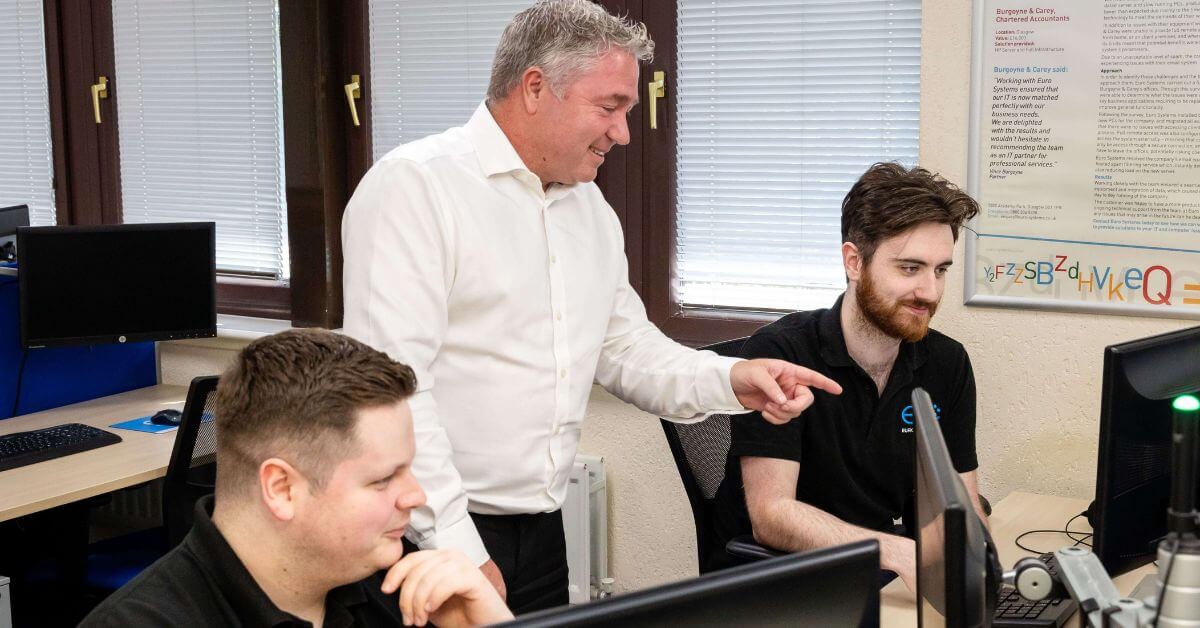
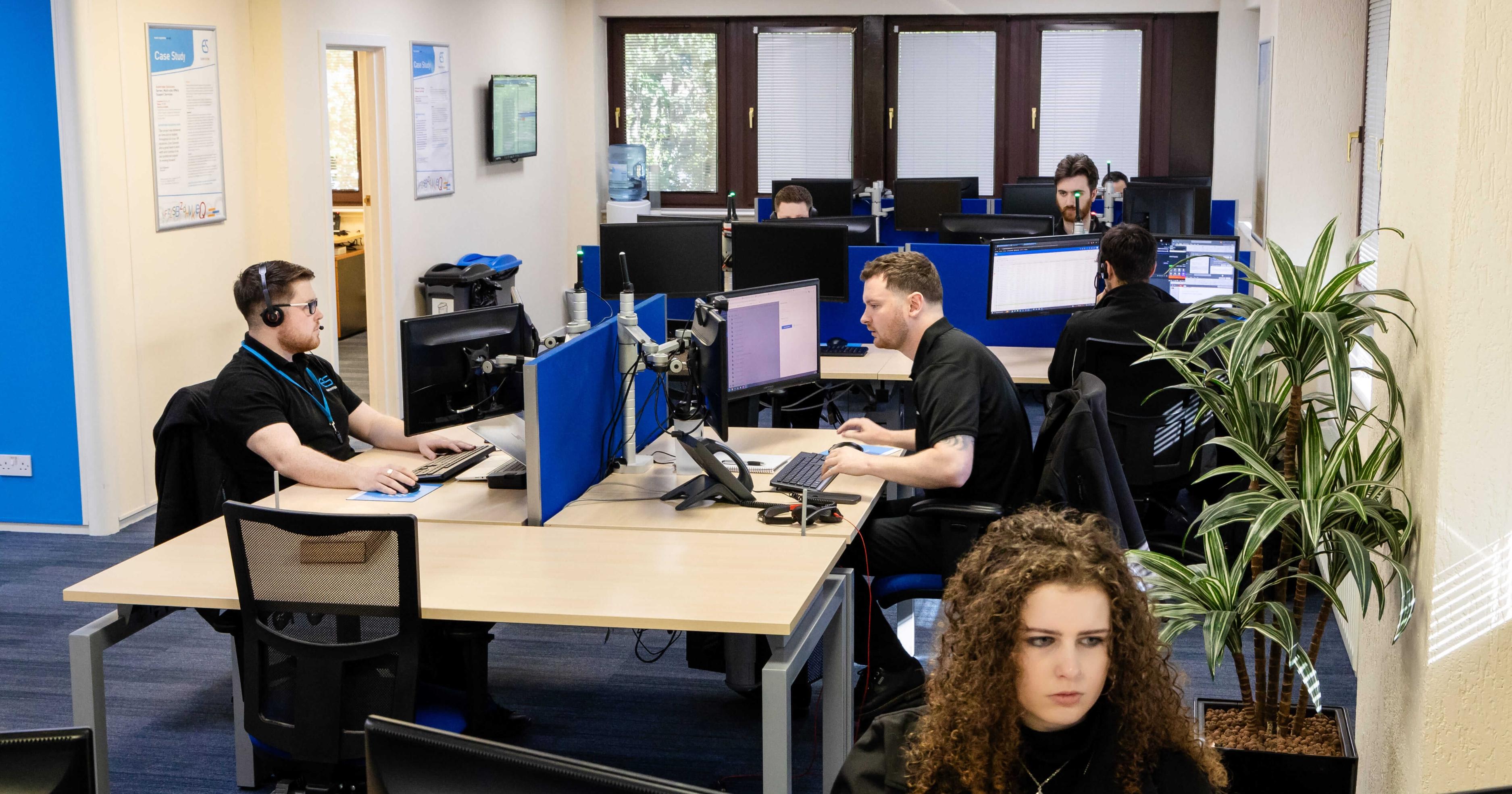
At Euro Systems IT, the focus is different. Instead of waiting in a queue, clients speak directly to an engineer within seconds. This removes delays and ensures issues begin getting resolved immediately.
Most IT support providers operate under a service level agreement (SLA). This defines how quickly they will respond and resolve issues based on priority.
Support tickets are usually triaged and assigned depending on severity. While this system provides structure, it can also create bottlenecks. A common problem is that “response time” simply means acknowledging a ticket, not actually fixing the issue.
A strong support provider focuses on real progress. Businesses should look for providers that respond quickly and begin resolving issues straight away.
This is where fast response times make a significant difference to productivity and overall service quality.
One of the most valuable aspects of modern IT services is proactive monitoring.
Rather than waiting for something to break, monitoring systems are proactively monitoring servers, networks, and devices for potential issues. Proactive monitoring by IT support teams helps identify potential issues before they escalate, improving system reliability and reducing downtime. Proactive monitoring is a key feature to look for in an IT support provider.
This allows support teams to identify problems early and fix them before they affect users.
Preventative maintenance also includes:
A proactive approach reduces downtime, improves system reliability, and supports long-term business growth.
Cyber threats are one of the biggest risks facing businesses today.
An IT support company provides cyber security support services designed to protect sensitive data and prevent attacks.
This includes implementing security protocols such as firewalls, antivirus software, and endpoint protection. IT support companies use advanced tools, including sophisticated monitoring systems and security protocols, to enhance cybersecurity and operational efficiency. It also involves monitoring systems for suspicious activity and responding quickly to potential threats. IT support services enhance security by implementing necessary security protocols and continuously monitoring systems for vulnerabilities.
Data protection is critical, especially for businesses handling customer information or operating under industry regulations. Data security is a key part of system maintenance, and regular updates along with robust security protocols are essential to safeguard business data and ensure overall cybersecurity.
Many providers also offer employee training to reduce risks such as phishing attacks, which remain one of the most common causes of data breaches.
Data is one of a business’s most valuable assets. Losing access to it can be catastrophic. This is why backup and disaster recovery are essential parts of IT support.
A proper data backup strategy ensures that information is stored securely in multiple locations, including cloud platforms and secure off-site environments. Storing backups in secure locations is crucial for safeguarding critical data against physical damage, theft, or cyber threats, ensuring business continuity.
Reliable data transfer processes are also vital for maintaining efficient communication, secure data handling, and effective disaster recovery strategies within a business’s IT infrastructure.
IT support companies implement data backup and disaster recovery plans to ensure critical data is safe and recoverable. IT support often includes ensuring that critical business data is regularly backed up and can be recovered quickly in the event of a disaster.
Disaster recovery planning focuses on restoring systems quickly after an incident such as hardware failure, cyber attack, or data loss. A good support provider will regularly test backups and recovery processes to ensure they work when needed.
Without this, businesses risk extended downtime and permanent data loss.
Cloud solutions have become a core part of modern IT infrastructure. Many small and medium-sized service businesses are adopting cloud solutions to improve business continuity, enable remote work, and access tailored IT support services. An IT support company helps organisations move to cloud solutions and adopt flexible, scalable cloud services, as well as manage cloud platforms to improve flexibility, scalability, and accessibility.
Cloud services can include data storage, software applications, and virtual servers. They also support remote work by allowing access to systems from anywhere.
Managing cloud environments requires ongoing monitoring, cost control, and optimisation to ensure performance and efficiency.
Done correctly, cloud solutions support business continuity and future growth.
Maintaining IT systems involves more than just fixing issues. Modernizing computer systems and optimising existing systems are crucial for improving efficiency, scalability, and overall business operations.
An IT support provider manages hardware and software across the business, ensuring everything is up to date and functioning correctly. This includes hardware and software management such as procurement, setup, maintenance, and licensing oversight. IT support companies also assist businesses in meeting compliance and regulatory requirements, particularly in sensitive industries.
This includes:
Regular system maintenance reduces the risk of failure and keeps business operations running smoothly.
Small businesses rely on technology to keep their operations running smoothly, but often lack the resources for a full in-house IT department. This is where an IT support company becomes invaluable, offering a comprehensive range of support services designed to meet the unique needs of smaller organisations.
A dedicated support team provides technical assistance for everyday issues, ensuring that business networks and IT infrastructure remain reliable and secure. With technical expertise on hand, small businesses can resolve problems quickly and minimise downtime, allowing them to focus on their core activities.
Cyber security support services are especially critical for small businesses, which are increasingly targeted by cyber threats. An IT support company implements robust security protocols and data protection measures to safeguard sensitive information and maintain compliance with industry standards.
Backup and disaster recovery solutions are also essential, helping small businesses protect their most valuable assets and ensure business continuity in the face of unexpected events. By proactively managing disaster recovery plans and regularly testing backups, the support company ensures that data can be restored quickly if needed.
Ultimately, IT support for small businesses is about providing peace of mind. With a trusted support company managing IT systems, small businesses can operate confidently, knowing their technology is protected and their business continuity is assured.
Beyond day-to-day support, a good IT partner plays a role in long-term strategy. This involves aligning technology with business goals, ensuring that IT investments support growth and efficiency.
An IT support company may help with planning upgrades, improving infrastructure, and identifying opportunities to use technology more effectively.
This strategic approach ensures that IT supports not just current operations, but also future growth.
The cost of IT support services varies depending on the level of service provided. Managed services typically operate on a fixed monthly fee, making costs predictable and easier to budget. This model also encourages proactive support, as providers are focused on preventing issues rather than reacting to them.
In contrast, pay-as-you-go support can appear cheaper initially but often results in higher costs over time due to recurring issues and downtime. When evaluating cost, businesses should consider not just the price of the service but the cost of slow response times, lost productivity, and potential data breaches.
A cost-effective provider is one that reduces risk and improves efficiency, not just one that offers the lowest price.
A reliable IT support company has a direct impact on how a business operates.
Fast response times reduce downtime and ensure issues are resolved quickly. Proactive monitoring prevents problems before they occur. Strong cybersecurity protects sensitive data.
All of this contributes to smoother operations, better productivity, and improved customer experience.
In short, IT support is not just about technology, it is about enabling the business to function efficiently.
Not all IT support companies offer the same level of service.
When choosing a support provider, businesses should look beyond basic offerings and consider how the service is delivered.
Key factors to consider include:
A provider that understands your business and responds quickly will deliver far greater value than one that simply logs support tickets.
Many traditional IT support companies rely heavily on ticketing systems, which can slow down response and delay resolution.
At Euro Systems IT, the approach is different.
Clients are able to speak directly to an engineer within seconds, removing the need for support tickets and long wait times. This ensures that issues are addressed immediately and resolved faster.
Combined with proactive monitoring, strong cybersecurity, and a focus on real outcomes, this approach provides a more efficient and effective service.
So, what does an IT support company actually do?
It supports, protects, and improves the technology that your business relies on every day.
From resolving technical issues and maintaining systems to safeguarding data and enabling growth, IT support plays a critical role in modern business operations.
The key is choosing a provider that not only offers the right services but delivers them with speed, expertise, and a proactive mindset.
Because in today’s business environment, IT support isn’t just about fixing problems, it’s about ensuring they don’t happen in the first place.

Get in touch and a member of our team will get back to you as soon as possible:
"*" indicates required fields